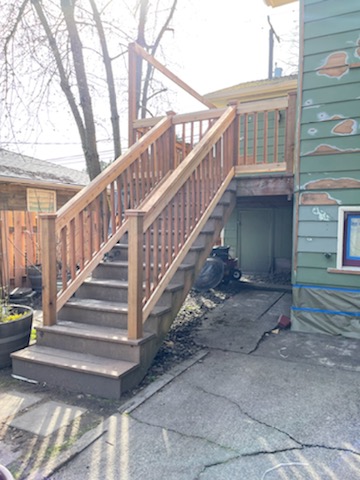
Understanding Fence Regulations and Permits
When considering a new fence for your property, it's essential to understand the regulations and permits required to ensure compliance with local laws. This guide will help you navigate the complexities of fencing regulations and permits, ensuring that your fencing project goes smoothly.
Why Fence Regulations Matter
Fence regulations are put in place for several important reasons, including:
- Ensuring safety for children and pets
- Maintaining neighborhood aesthetics
- Protecting property rights
- Preventing disputes between neighbors
- Complying with local zoning laws
Types of Fencing Regulations
Fencing regulations can vary widely based on your location and the type of fence you want to install. Here are some common types of regulations to consider:
- Height restrictions
- Material restrictions
- Setback requirements from property lines
- Design and style restrictions
- Permitted locations for fences
Understanding Fence Permits
In many jurisdictions, installing a fence requires obtaining a permit. Here’s what you need to know about fence permits:
When is a Permit Required?
Typically, a permit is required when:
- The fence exceeds a certain height (often 6 feet)
- You are constructing a fence in a front yard
- The fence is made from specific materials (e.g., masonry or chain link)
- Your local zoning regulations stipulate it
How to Obtain a Fence Permit
Obtaining a fence permit usually involves the following steps:
- Check local regulations and guidelines
- Prepare a site plan that includes the fence's location and dimensions
- Submit the application along with any required fees
- Wait for approval, which may involve inspections or additional reviews
- Start your project once you have received the permit
Common Mistakes to Avoid
When dealing with fence regulations and permits, avoid these common mistakes:
- Failing to check for existing regulations before planning
- Not consulting with neighbors or homeowners associations
- Ignoring property lines, which can lead to disputes
- Starting construction without a permit
- Using the wrong materials or styles that are not allowed
Conclusion
Understanding fence regulations and obtaining the necessary permits is crucial to ensure that your fencing project is compliant with local laws. By taking the time to research and follow the necessary steps, you can avoid costly mistakes and potential disputes with neighbors. For more information or assistance with your fencing project, consider reaching out to local fencing professionals or your local municipality.